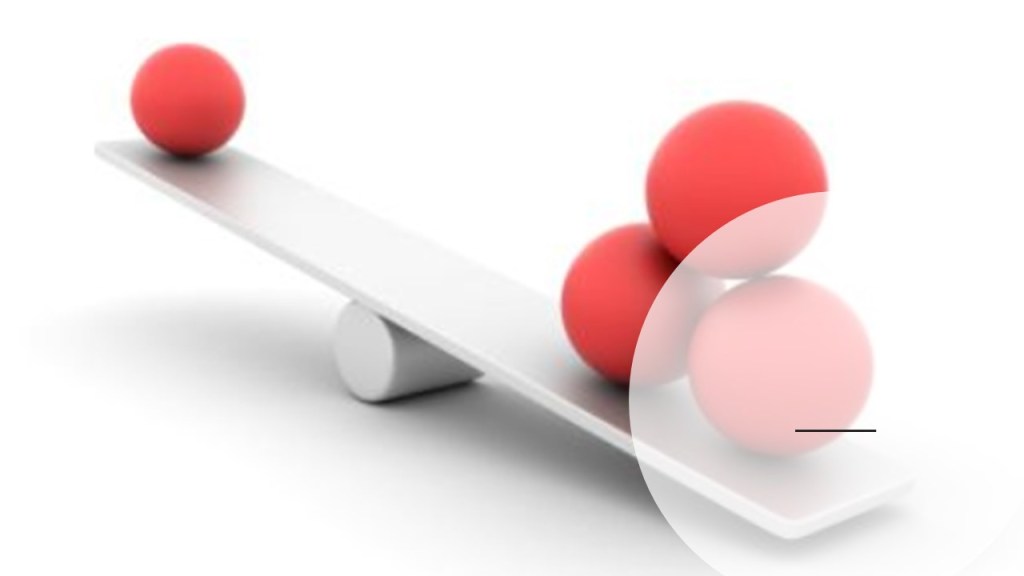
My 8-year-old has been researching on Balanced Diet; her weekly school unit of enquiry topic. While observing her I realized how the concept of diet has changed and the word ‘balanced’ sounds almost nostalgic. Being a home to a gold medallist in nutrition (let me clarify…my better half) and myself who studied food nutrition as a professional course it was déjà vu.
I feel a bit morose for the word ‘Diet’ as it has got lost and its verb form ‘Dieting’ has displaced it not only from our dictum but also from our core or frame of mind. Even Google is now no more confused and the moment you search for ‘Dirt’ it throws up all new methods of losing weight and the sponsored ads is full of some marketeer trying to shout louder than the rest on how he has the secret plan for you to look beautiful, turn happy and have the sexiest body all with just his meal plan. The only one left tethering to the original meaning is Googles poor cousin Wikipedia; no doubt they are running campaigns to survive. You heard right – the word ‘Diet’ means the total amount of food consumed by us. So, it is a whole and not a sliver of the food you need. The only group who could possibly argue are physicist as they can produce energy with fusion as well as fission.
So, if Diet is a whole what is really a balanced diet. One could go into a Zen mode to describe it as what your nature provides for or works with – Air, Water, Fire, Earth and Space. Its obviously right but how does one really make it pragmatic and possible every day? One thing which people don’t understand is that it’s hard to buy and use the exotic stuff talked about by dieticians. You don’t get one portion sizes typically and eating of the fridge after a point is pointless. Now we are four in the home and kids are kids, they want to eat their stuff and that to both of mine have distinct tastes and are very opinionated. So, it sounds like almost cooking 4 meals every time. Celebrities typically have a cook at their disposal so someone can plate and present it to you 24X7 as per your needs. I am definitely less privileged and even by choice would not want people generally floating in my home. Anyways even if you figure out the way to get you Quinoa, Kale and microgreens is it really helpful? Maybe it can help starve you and make you look thinner for a while. But it’s a) not sustainable and b) absolutely not healthy.
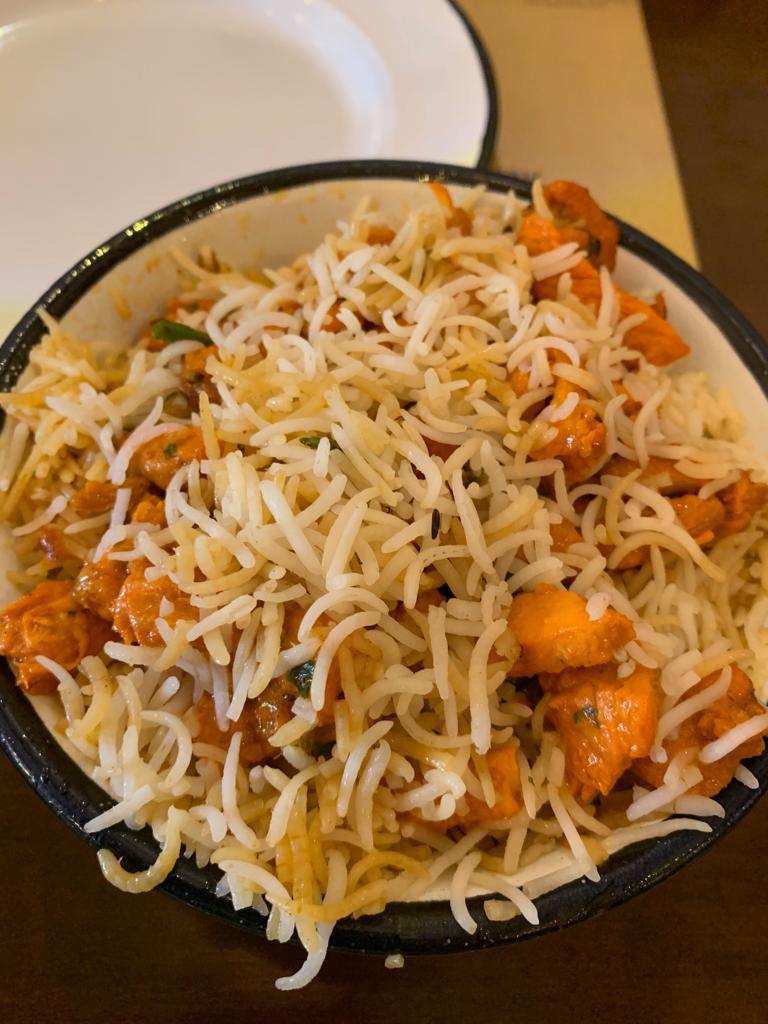
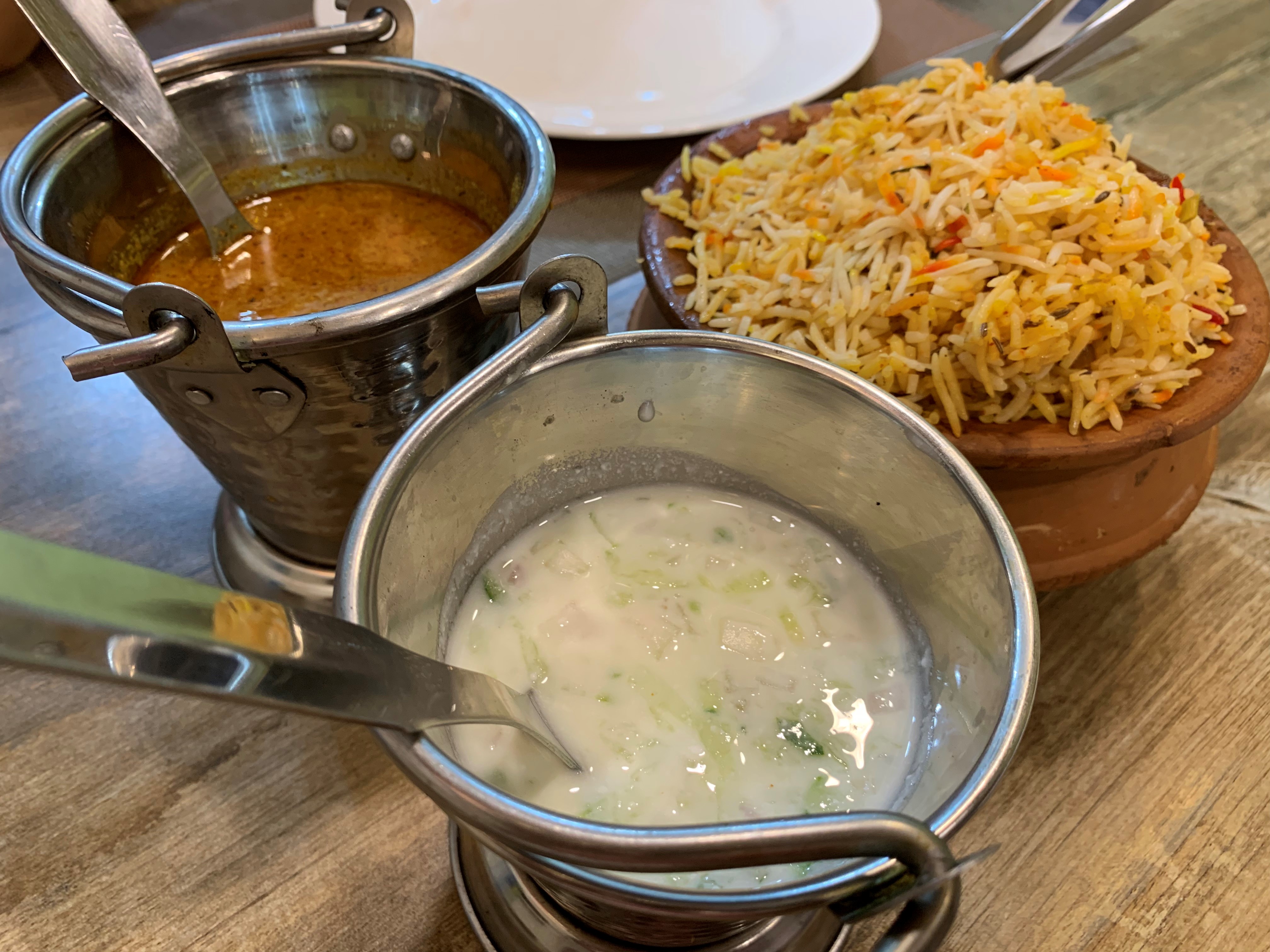
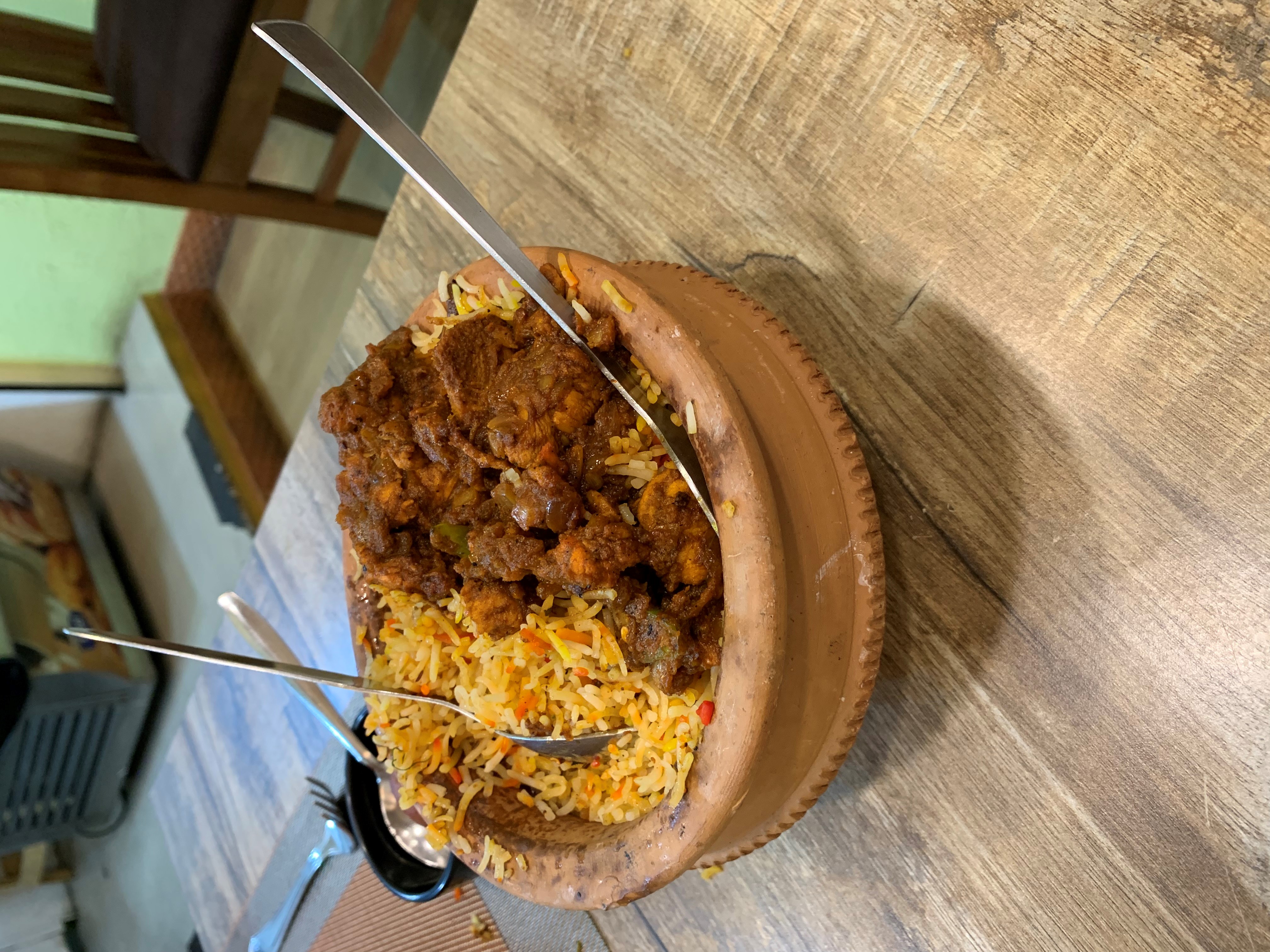
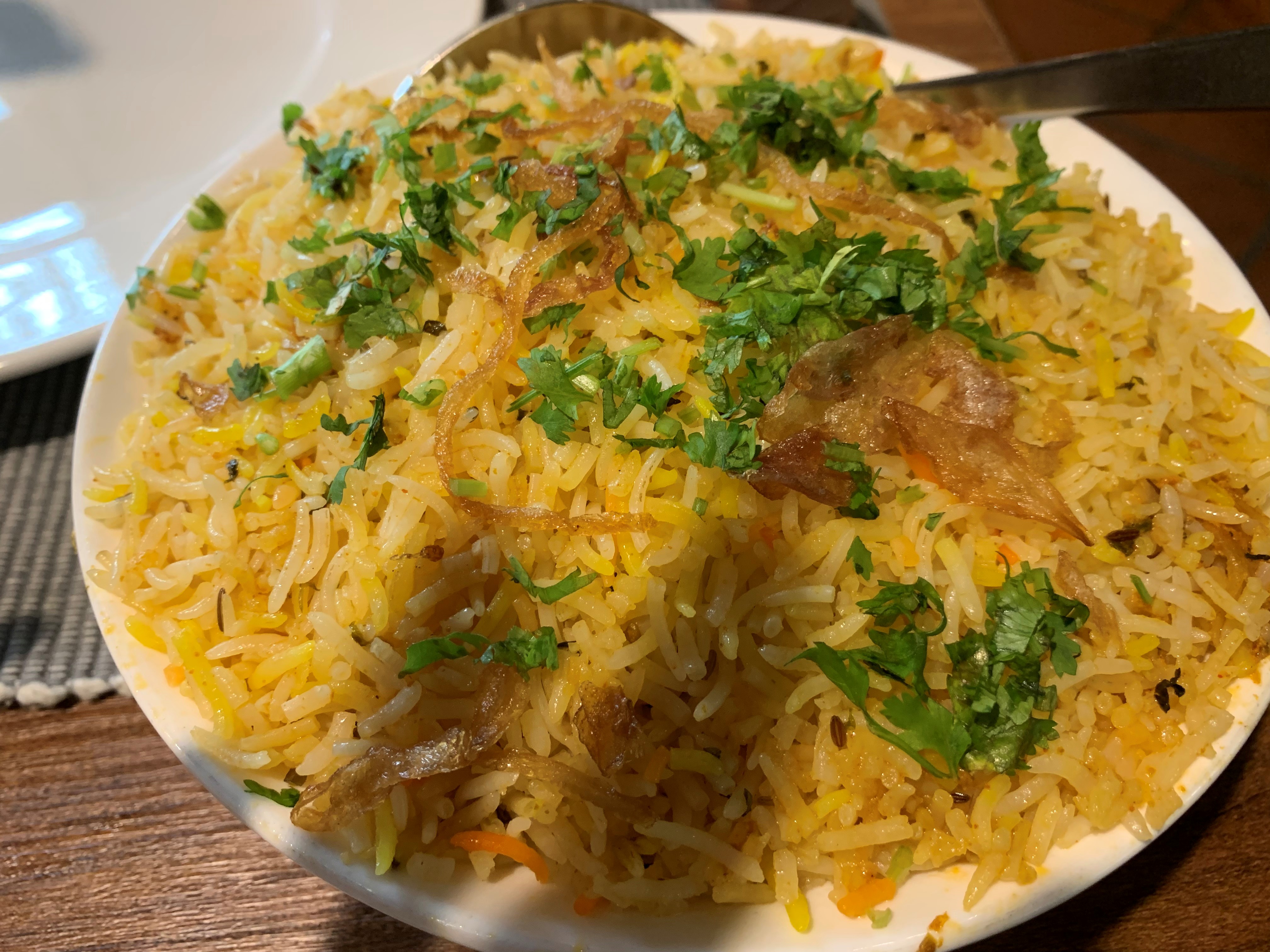
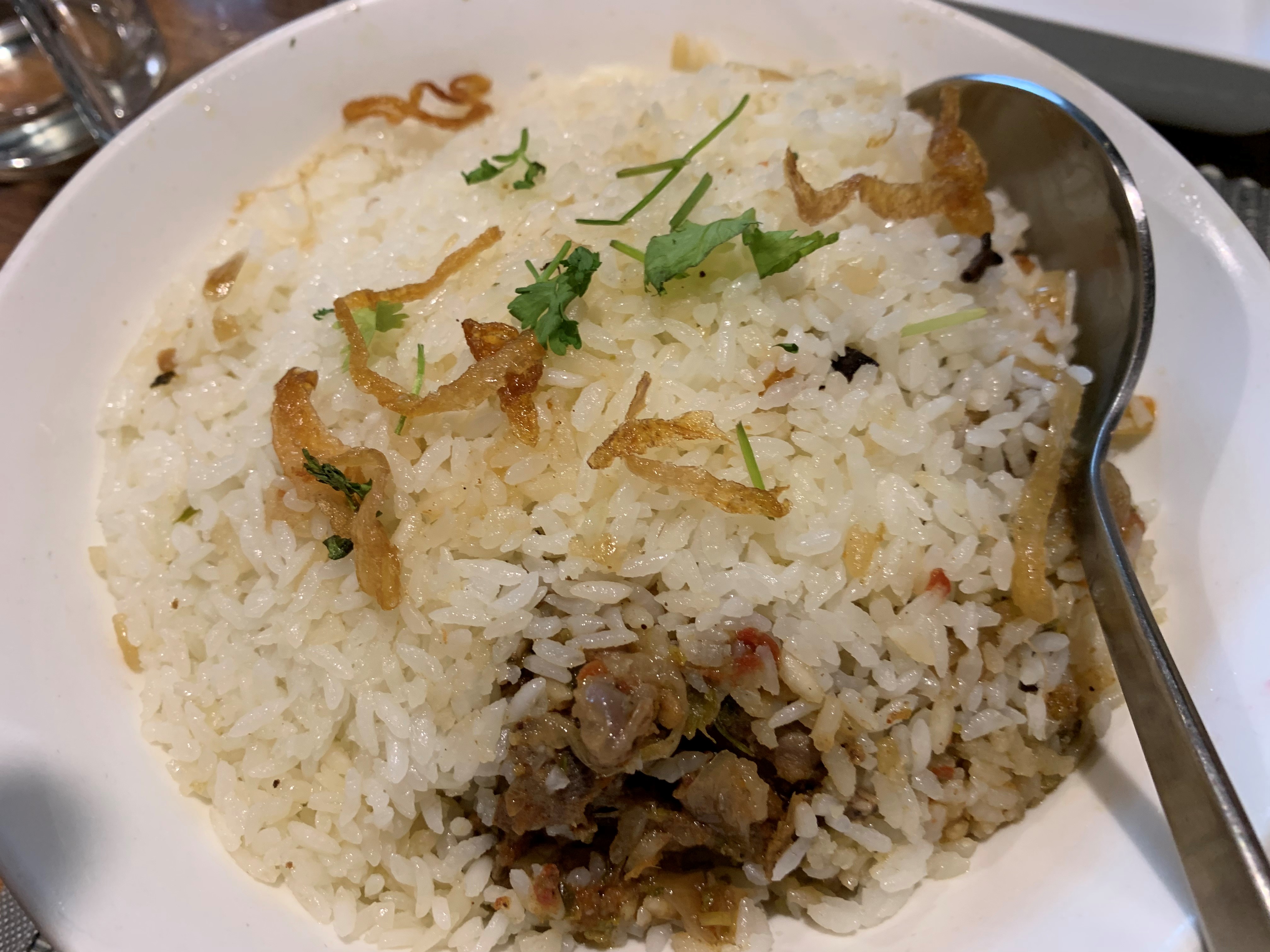
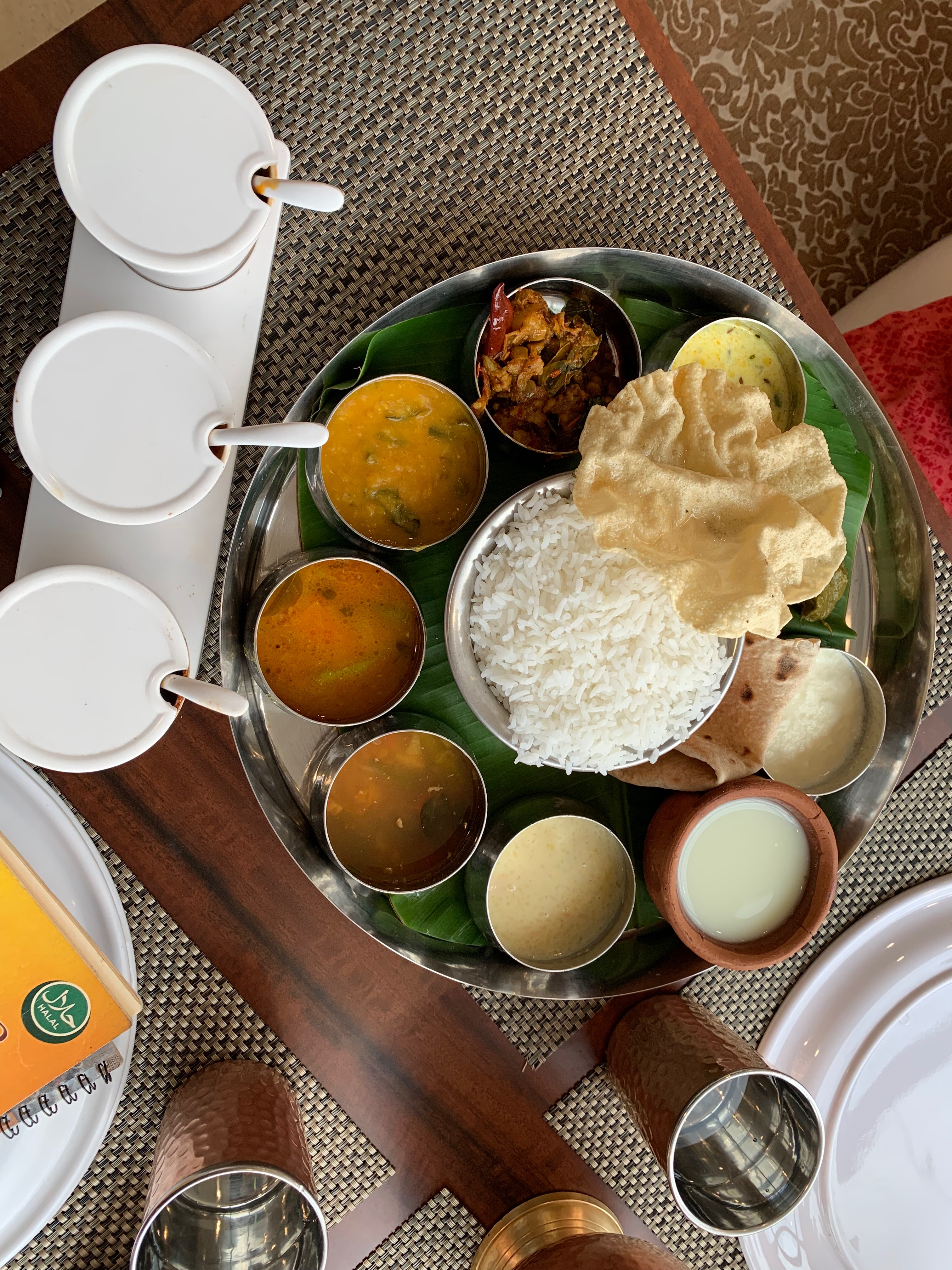
So, how, and what should you eat? Here is what we all studied in our science class – Saliva in the mouth digests carbohydrate first so the first type of food to start breaking down is carbs. Missing carbs means saliva goes wasted and the food is not moulded for rest of the action. The follow up sequence is carbs & saliva, proteins & stomach enzymes, fat & bile and sugar and pancreas. So, if you eat protein rich diet or low fat, the body enzymes are naturally imbalanced. Eating coconut is considered by most dieticians, but on the contrary it’s one of the technically sound foods. It has carbs on the outside and fat on the inside. So, when you eat it the saliva acts first on the carbs, digests it and the fat is processed by bile in the liver. Now look at chips, it has fat on the outside as it is fried and carbs (potato) on the inside. Saliva tries hard but can’t digest the fat and later there is nothing in the stomach or intestines to fix the carbs in potato. I come from a typical Maharashtrian family. Here is how my grandma served food – rice and dal to start, so lighter carbs with some protein, followed by more cereals (chapati / bread) which are a bit heavier carbs once the enzymes have been triggered. You eat proteins and other stuff with it. Ghee on proteins was a must as only fat can help coagulate the protein and make it easy for processing in the stomach. So, net-net the food technique matched body technique. Now look at a quasi-planned diet. Start with Salads, which are more of water-based vitamins with low carb. They add fibre but do not help trigger any enzymes across the chain. Throw in some proteins – nuts or beans, again without the carb. It might help if one has the bread rolls served. They seem to have gone out of fashion though.
It is worth it to evaluate your body performance and triggers vs the meal plan hence. I suggest stick to basics and ingredients that are local. Moderate each part of the food elements and eat well enough. Going back to the elements approach, one must feel happy and satiated after a meal. Being full enhances enzyme hormones and allows our nerves to be calm. The most intense activity by the body is digestion; yes, even more than exercising and hence you must allow the zen mode to prevail for a good synthesis to occur. When you eat well you produce energy that can help you burn extra calories and sharpen your day….so balance it out.

 Anna...iti